
Sources of formaldehyde in furniture
Formaldehyde is one of the most common indoor air pollutants, especially after new decoration or purchasing new furniture. Formaldehyde mainly comes from artificial boards (such as density boards and particleboard), adhesives, paints, coatings, fabrics, and leather products. Artificial boards are the main source of formaldehyde release due to the use of formaldehyde containing urea formaldehyde adhesive in their manufacturing process. New furniture and newly renovated houses are usually the “hardest hit areas” for formaldehyde emissions, especially for decorative materials such as wooden furniture, flooring, and walls.
How to determine if furniture formaldehyde exceeds the standard?

1. Stinky odor
If newly purchased furniture has a particularly pungent odor that persists after prolonged ventilation, it may indicate a high level of formaldehyde in the furniture. Formaldehyde has a pungent odor, which is usually released from newly purchased furniture.
2. Discomfort in the eyes, nose, and throat
If family members who move into new furniture experience symptoms such as headaches, coughs, tears, and throat discomfort, it may be a signal of excessive formaldehyde concentration, especially for children under 5 years old and pregnant women who are more susceptible to it.
3. Plant withering
If the leaves of plants placed at home turn yellow or wither, it may also be due to high formaldehyde concentration, which affects the health of indoor environment. Plants are highly sensitive to environmental changes, and excessive formaldehyde can affect their growth.
4. Air detection
The most intuitive and accurate method is to use a professional formaldehyde detector for indoor air quality testing, or hire a professional organization for testing. The concentration of formaldehyde should be kept within a safe range, generally not exceeding 0.08 mg/m ³.

How to effectively remove furniture formaldehyde?
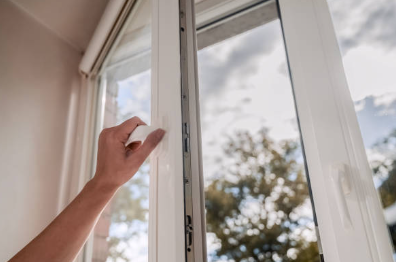
1. Continuous ventilation
When new furniture enters the house, make sure the room has good ventilation. Opening windows for ventilation is the most basic method for removing formaldehyde. Although this method is slow to take effect, it is helpful in reducing indoor formaldehyde concentration. It is usually recommended to leave the new furniture for one month before moving in, during which time the windows should be opened for at least 2 hours every day.
2. Activated carbon adsorption
Activated carbon is a common adsorbent material that can effectively adsorb formaldehyde and other harmful substances in the air. Activated carbon packs can be placed around furniture or in indoor corners, but the adsorption capacity of activated carbon is limited and needs to be replaced regularly.
3. Air purifier
Choose an air purifier with “HEPA+activated carbon” function, which not only effectively filters particulate matter in the air, but also adsorbs harmful gases such as formaldehyde. Using an air purifier can continuously purify indoor air, especially suitable for families with children or elderly people.
4. Photocatalyst spraying
Photocatalyst is a material that can decompose harmful substances under light conditions, and it can effectively degrade harmful gases such as formaldehyde. By spraying photocatalysts, the process of furniture releasing formaldehyde can be accelerated, allowing formaldehyde to decompose into harmless substances in a relatively short period of time.
5. Green plants
Some green plants, such as chlorophytum comosum, green apple and aloe, can absorb harmful substances in the air, especially formaldehyde. These plants not only enhance indoor aesthetics, but also help improve indoor air quality. But their adsorption capacity is limited and cannot completely replace ventilation and other treatment methods.
6. High temperature and high humidity accelerate volatilization
The volatilization rate of formaldehyde is greatly affected by temperature and humidity. The release of formaldehyde can be accelerated by increasing indoor temperature and humidity, especially during high temperature summer or winter heating, where the formaldehyde release rate will be faster. After accelerating the volatilization, the indoor formaldehyde is discharged through ventilation. However, when the temperature is too low (below -19.5 ° C), formaldehyde will remain in a “static” state and will not be released again until the warm season.
The release of formaldehyde in furniture is a slow and continuous process, typically lasting 3-15 years, especially at high temperatures and humidity where the rate of formaldehyde release accelerates. Therefore, after moving into new furniture, it is important to continuously monitor indoor air quality and take effective measures to control it. Choosing furniture made of environmentally friendly materials, reducing formaldehyde content from the source, and combining effective ventilation, purification, and adsorption methods can effectively reduce the impact of formaldehyde on health. While ensuring indoor ventilation, regularly monitor formaldehyde concentration to ensure indoor environmental safety, especially for families with children and the elderly. Protecting the health of family members is of utmost importance.