A good bed not only enhances sleep quality but also adds beauty to your bedroom. With the development of home design, choosing a bed is no longer just about comfort; it also involves considering factors such as material, size, design style, and more. So, how do you choose the right bed for yourself? Today, we will provide a comprehensive guide, covering material, size, design, and other factors to help you choose the perfect bed.
1. Choosing the Material of the Bed: A Balance of Comfort and Durability
The material of the bed directly affects its comfort, durability, and visual appeal. Common bed materials on the market include wood, metal, leather, and fabric, each with its own unique advantages and disadvantages.
1. Wooden Bed

Wooden beds have always been a classic choice. Solid wood beds offer a natural texture and good breathability, making them suitable for year-round use. Common woods include pine, oak, walnut, etc., with significant differences in price and durability depending on the wood type.
Pros:
Natural Beauty: Wooden beds have beautiful natural grains, and there are various styles to match different bedroom decors.
Durability: High-quality solid wood beds have a long lifespan and are highly durable.
Eco-Friendly and Healthy: Natural wood doesn’t release harmful substances, making it more suitable for health-conscious consumers.
Cons:
Higher Price: High-quality solid wood beds are expensive.
Maintenance Requirements: Wooden beds require regular maintenance to avoid damage from moisture or sun exposure.
2. Metal Bed
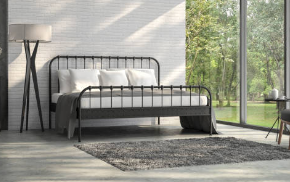
Metal beds are known for their modern appeal and minimalist designs, with common materials including iron, aluminum alloy, and stainless steel.
Pros:
Sturdy and Durable: Metal beds are strong and durable, making them suitable for long-term use.
Modern Look: Simple designs make metal beds a perfect fit for contemporary bedroom styles.
Cons:
Slightly Less Comfortable: Metal beds may feel harder and less warm compared to wooden beds.
Heavy: Some metal beds are heavy, making them less convenient to move and clean.
3. Leather Bed
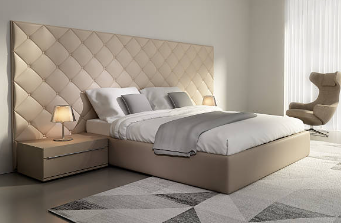
Leather beds offer a luxurious, high-end feel and are commonly used in modern or European-style bedrooms. Leather beds are typically made from PU leather or genuine leather.
Pros:
Comfortable: Leather is soft and provides a warm touch.
Elegant Appearance: Leather beds have a noble and elegant look, enhancing the overall atmosphere of the bedroom.
Cons:
Difficult to Maintain: Leather beds require regular care to prevent scratches or stains.
Poor Breathability: Some people may experience allergic reactions to leather.
4. Fabric Bed

Fabric beds have a soft and comfortable appearance and are usually made from fabric or velvet, suitable for various bedroom styles.
Pros:
Comfortable: Fabric beds are generally softer and warmer compared to metal or wooden beds.
Variety of Colors: Fabric beds come in various colors and patterns, easily matching your bedroom’s overall style.
Cons:
Difficult to Clean: Fabric beds are prone to accumulating dust and stains, making cleaning more troublesome.
Less Durable: Compared to wooden and metal beds, fabric beds may be less durable.
2. Bed Size: Finding the Right Size for You
Choosing the right bed size is crucial. A bed that is too small may lead to discomfort, while one that is too large may waste space. Common bed sizes include single beds, double beds, and king-size beds.
1. Single Bed
The width of a single bed is generally 90cm, making it suitable for single occupancy or children. If the bedroom is small, a single bed can effectively save space.
2. Double Bed
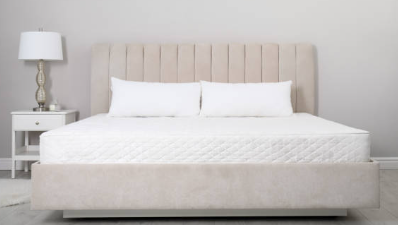
A double bed typically has a width of 135cm or 150cm, suitable for couples or two people sharing the bed. For most households, a standard double bed is sufficient.
3. King-Size Bed
King-size beds usually have a width of 180cm or 200cm, ideal for users who prefer more sleeping space. King-size beds are suitable for larger bedrooms and offer a higher level of comfort.
4. Super King Bed
Super king-size beds (e.g., King size) have a width of 200cm or more, making them perfect for families with larger space requirements. They are especially useful for tall or larger individuals, providing a better sleep experience.
3. Mattress Selection: Balancing Comfort and Support
The mattress is a key component of bed comfort, and different types of mattresses can impact sleep quality. Common mattress types include spring mattresses, latex mattresses, and memory foam mattresses.
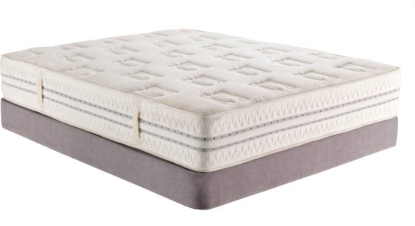
1. Spring Mattress
Spring mattresses are popular for their good breathability and support, ideal for those who prefer a firmer mattress.
2. Latex Mattress
Latex mattresses have good elasticity and provide better support for the body, making them suitable for people who need higher support.
3. Memory Foam Mattress
Memory foam mattresses conform to the shape of the body, offering high comfort, but they have poor breathability. They are suitable for users who prefer a softer mattress.
Choosing a good bed is not just about comfort but also about enhancing the overall ambiance of your bedroom. The material, size, and mattress type all affect your sleep quality and the aesthetics of your bedroom. Therefore, when purchasing a bed, it’s important to consider these factors comprehensively and select the one that best suits your needs.
If you are thinking of updating your bed, perhaps this guide can help you find the perfect one for you!